


After a long wait, the iPhone 15 series has been announced, and here we are with a full review of these new Apple phones.
Today, the cost of generating solar electricity is competitive with fossil fuels, but is the technology reaching its peak in the United States? Probably not. We’re only at the beginning of the technology.
According to a roadmap for American technology companies published by the National Renewable Energy Laboratory (NREL), we have significant options in the development of the solar industry. This is despite the fact that China has completely dominated the world’s photovoltaic energy production and may continue to be the global leader in this industry for a long time.
A study of the future outlook for solar energy suggests that there are still opportunities in niche markets that could be worth $1 billion over the next decade. As solar energy becomes cheaper and more widely available, new uses for the energy will emerge.
A recently published study, “Expanding Markets and Reducing the Weight of High-Power Photovoltaics,” by experts from NREL, the Department of Energy, and the Colorado School of Mines, shows that there are good reasons for companies to continue to look for more creative options for solar energy.
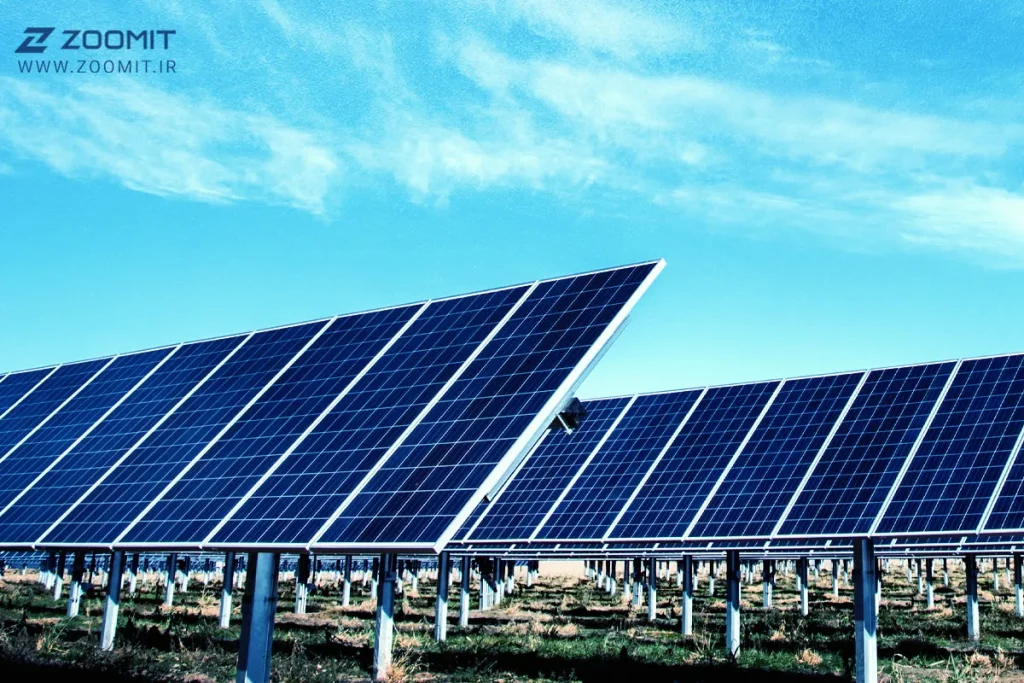
Matthew Reese, a senior scientist at NREL and lead author of the paper, explains that the cost of producing solar electricity is now on par with the price of electricity purchased from the grid in the United States. This means that it can now compete with the country’s most economical energy sources (namely coal and natural gas).
Solar power was invented in the United States in 1954 by scientists at Bell Laboratories in Mary Hill, New Jersey. The invention was a panel made of silicon that, when illuminated by a small light bulb, could generate enough energy to run a toy carousel.
Reese says that crystalline silicon industries have historically been more heavily subsidized than thin-film industries. Much of the growth in photovoltaics was driven by multibillion-dollar investments from the semiconductor industry, which was primarily aimed at building modern computers. Solar power was initially a secondary challenge, but it has finally reached the point where solar panels can be guaranteed to produce electricity for 30 years.
The Office of Naval Research is supporting NREL’s latest research into materials for thin-film solar panels that are lighter and more flexible than silicon and are made from cadmium telluride, copper indium, gallium selenium, or a family of rocks called perovskites.
Reese notes that the Navy’s current challenge is to make the lightest possible solar panels and find materials that are very low-cost for mass production.
The US military’s experience in Iraq and later in Afghanistan has shown that soldiers in forward units sometimes have to carry equipment weighing 40 to 50 kilograms. The bulk of this equipment is batteries for various devices.
This is just a small part of the logistics problem. These batteries must be charged by diesel generators, which require expensive flights or multiple convoys of fuel trucks to deliver. These convoys are frequently attacked.
A new study claims that while new thin-film solar technologies may be more expensive than conventional silicon technologies, the panels’ lighter weight and greater flexibility could justify their higher price, improve readiness and logistics, and reduce combat casualties in military applications.
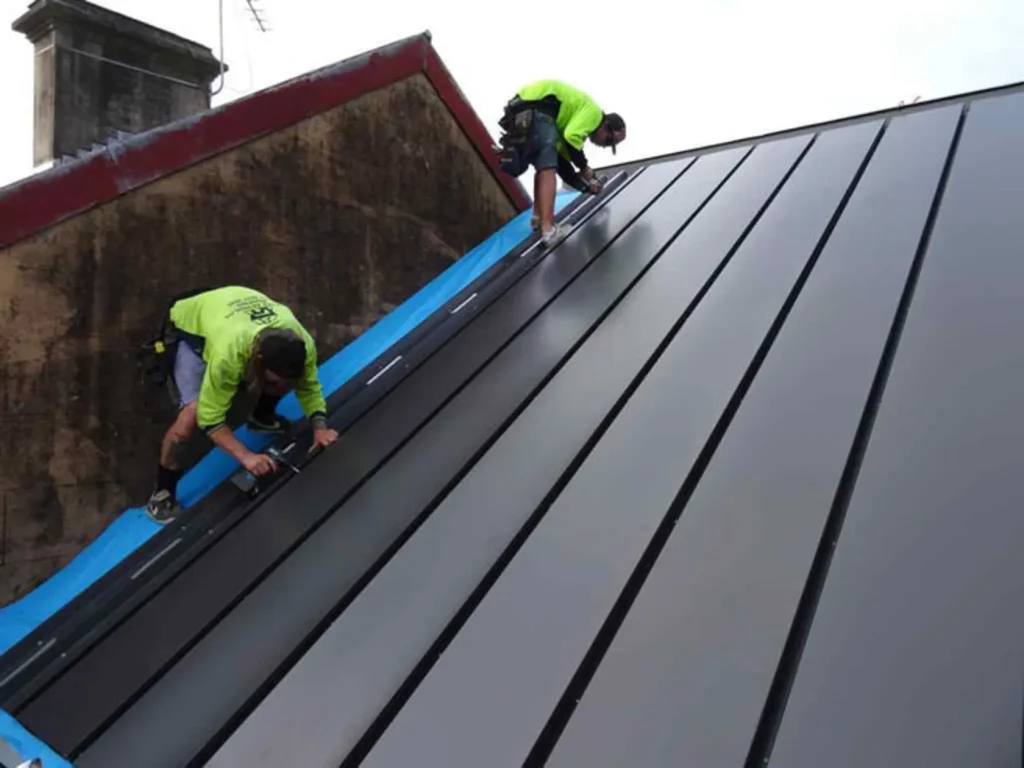
Scientists predict more solar applications in buildings; for example, lightweight solar devices could be implemented on windows, roofs, and other architectural structures. Increased demand in this market will drive down costs, while the production of flexible and scratch-resistant glass may help to expand this market.
The NREL report notes that smaller, lighter solar panels are increasingly being used in small space satellites called cubesats. Reese notes that some electric cars, such as the Toyota Prius, come with features like solar panels and a small fan that removes heat from parked cars. Such initiatives could further extend the range of electric vehicles by saving even more energy.
Final word
According to Reese, the continued evolution of solar energy into a cheap and widespread form will lead to the technology entering areas where it was not previously economically viable. One such example is the use of solar energy in the desalination process in the western United States.